English
 Français
 Español

Baby Sleeping Bags Offer More Options for Baby Product Brands
2026-11-13
Infant sleepwear has become an important category in the baby products market, with parents and retailers paying attention to fabric selection, wearing convenience, and seasonal designs. Among different types of infant bedding products, baby sleeping bags provide a wearable alternative to loose blankets. Their enclosed structure helps keep the baby's body covered while allowing room for natural movement.
How Baby Sleeping Bags Are Structured
A baby sleeping bag is a wearable fabric product designed to cover an infant's body during sleep. Unlike traditional blankets, it generally features a sleeveless or sleeved body, a bottom enclosure, and an opening system for dressing.
Common structural elements include:
- Main Body: Provides coverage around the baby's torso and lower body.
- Neck Opening: Allows the head to remain uncovered and provides space for comfortable wearing.
- Arm Openings: Sleeveless designs allow arm movement, while selected models include sleeves.
- Zipper or Snap Closure: Makes it easier to put on and remove the garment.
- Bottom Section: Provides leg coverage and may feature additional room for movement.
Some designs use a two-way zipper that opens from the bottom, while others feature side or front openings. These construction choices influence dressing convenience and the overall appearance of the product.
Design Differences Across Product Collections
Not all sleeping bags share the same construction. Brands can develop different styles according to age groups, seasonal requirements, and retail preferences.
Sleeveless Designs
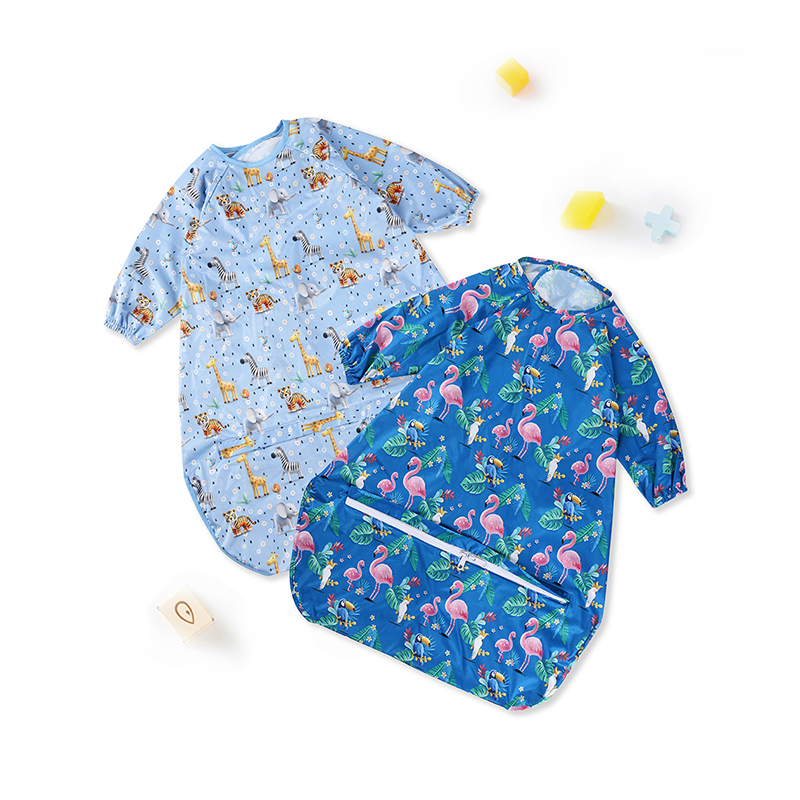
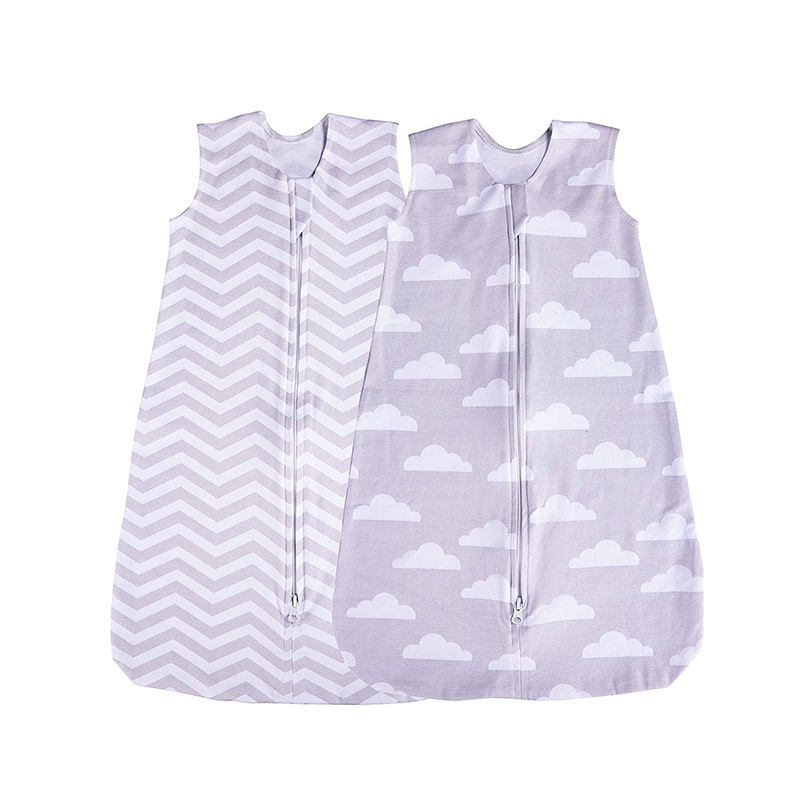
Sleeveless sleeping bags feature open armholes and a simple body structure. They are commonly included in lightweight infant sleepwear collections.
Long-Sleeve Designs
Models with sleeves provide additional fabric coverage. Sleeve construction and overall thickness can vary according to the intended product category.
Adjustable Designs
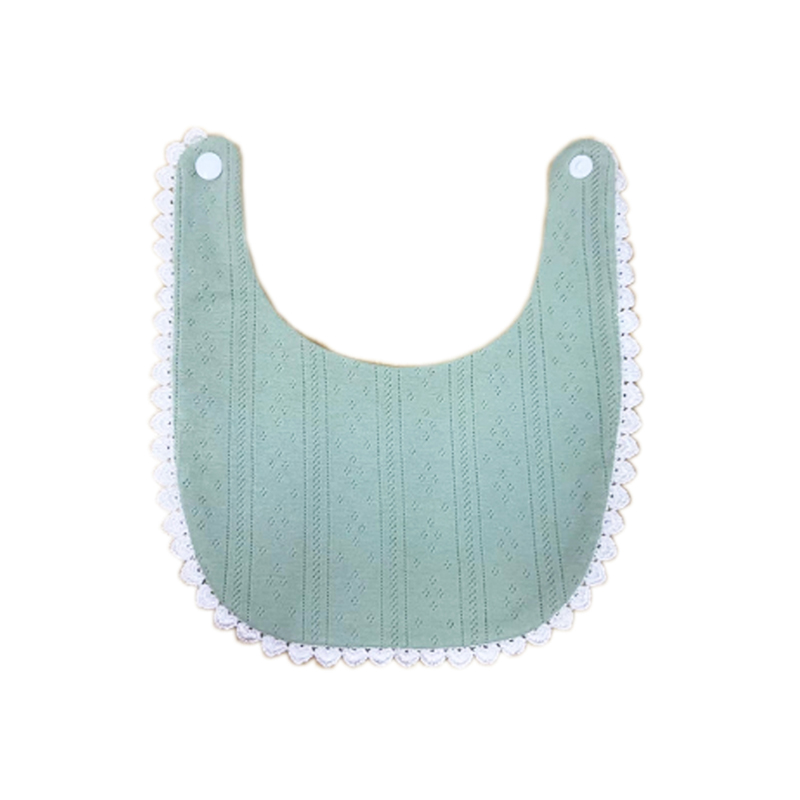
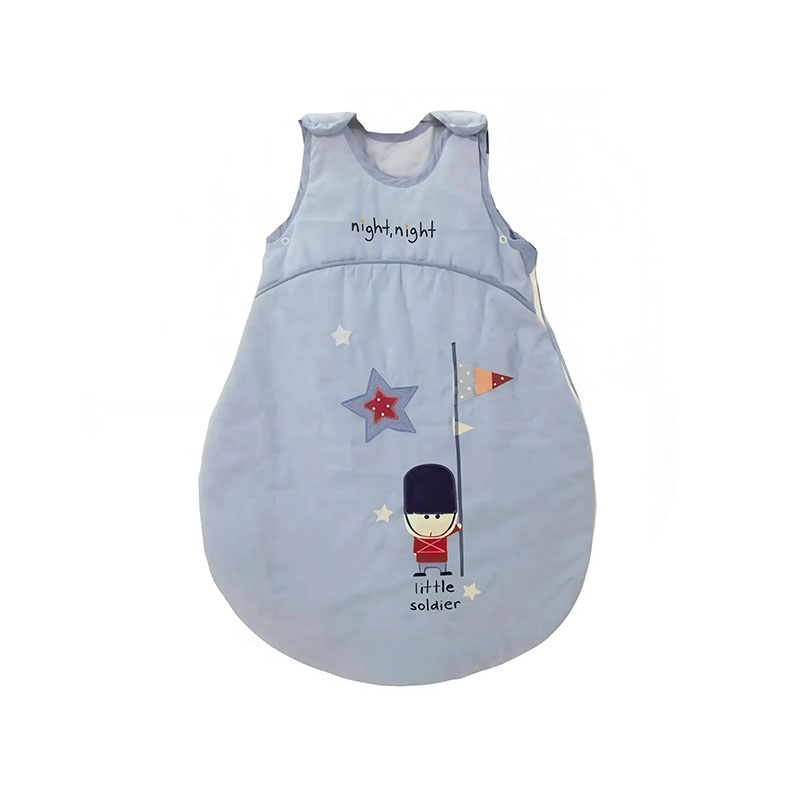
Some products feature adjustable shoulder straps, snap buttons, or expandable structures. These details allow brands to introduce different sizing arrangements.
Printed and Cartoon Designs
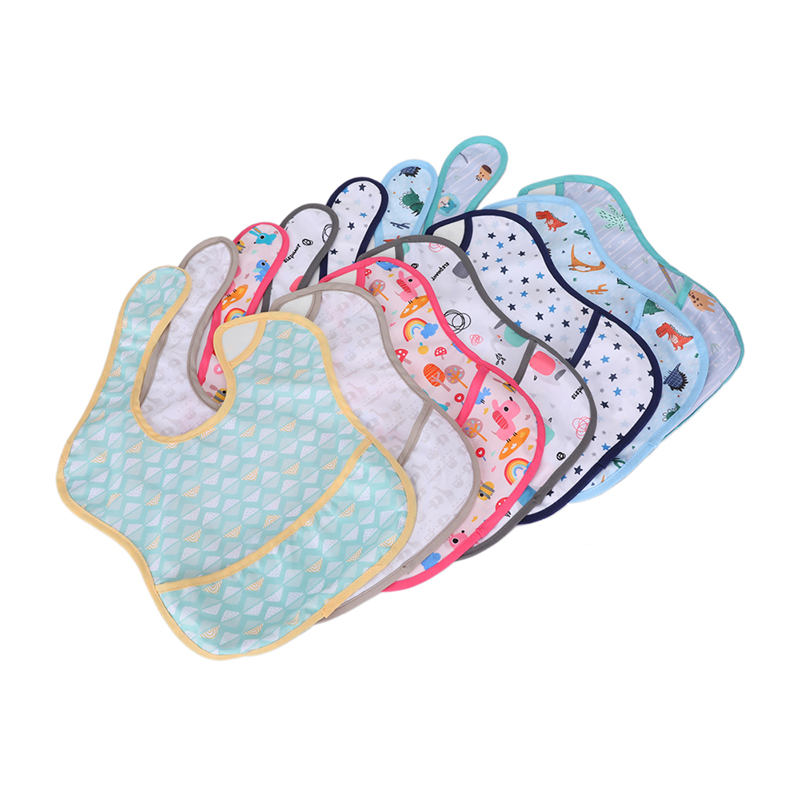
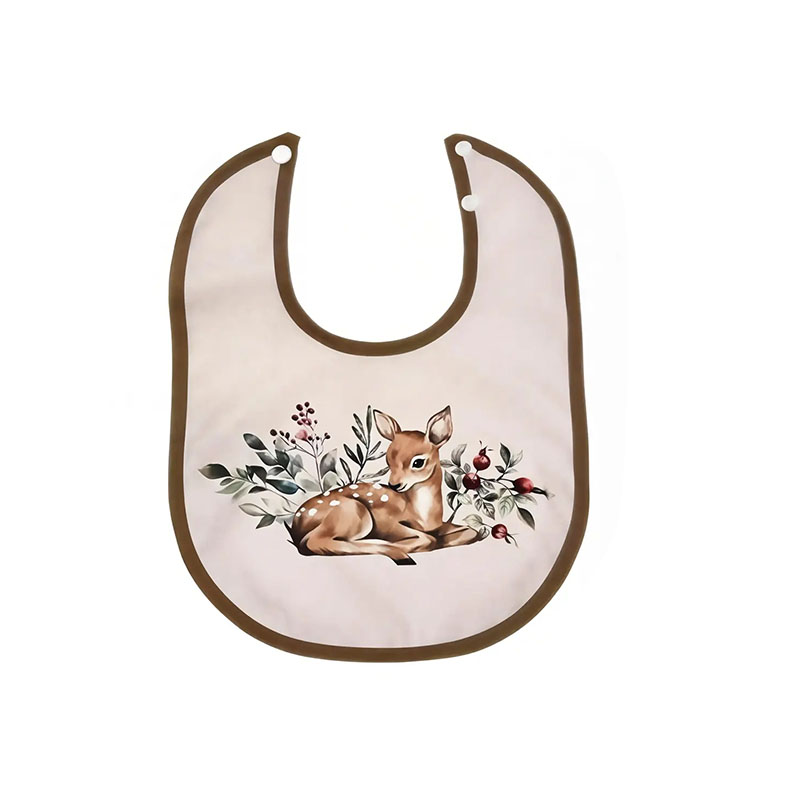
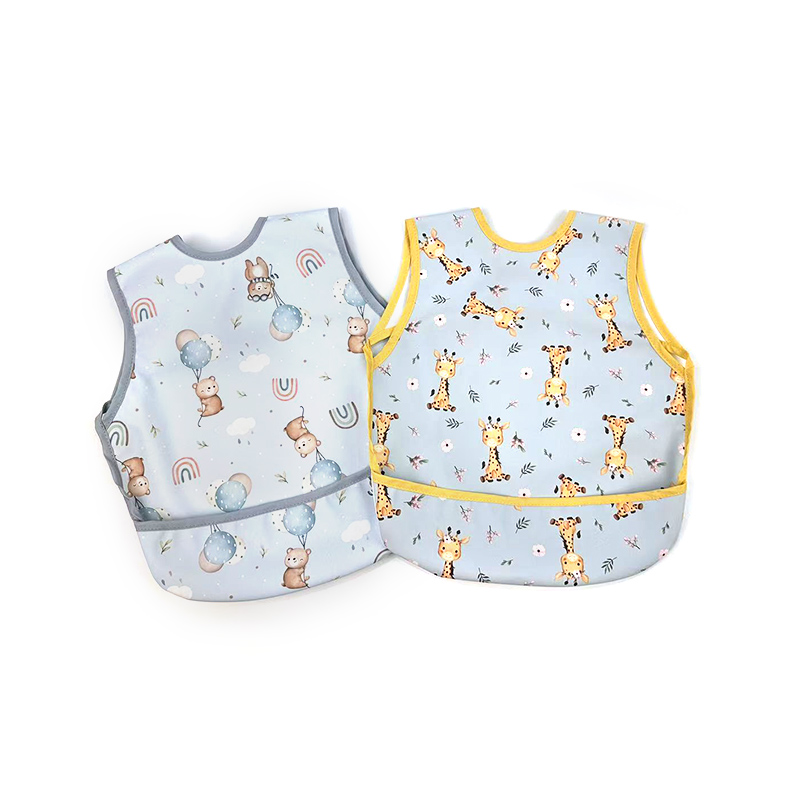
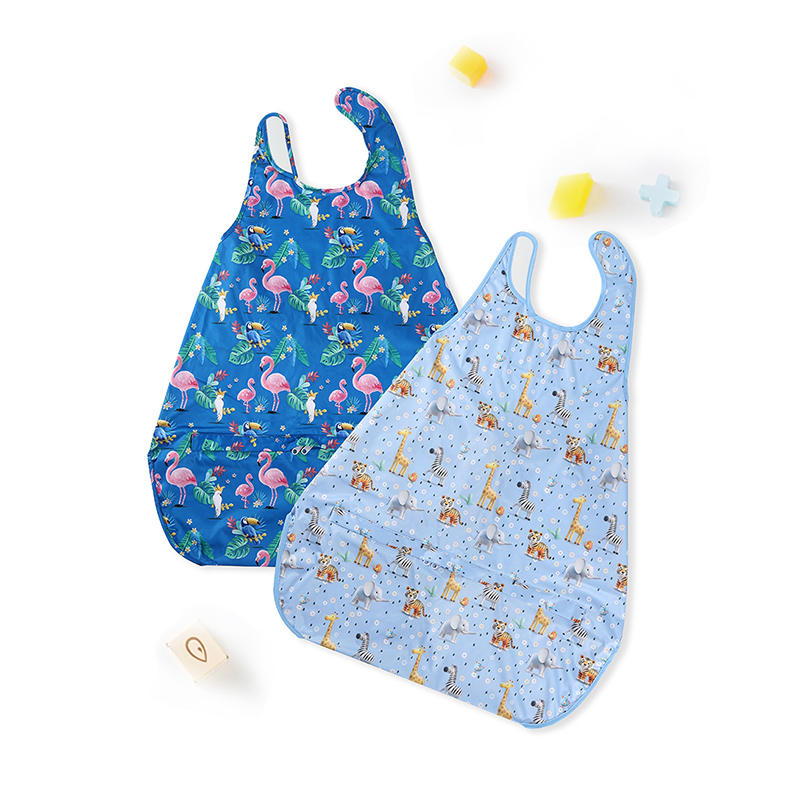
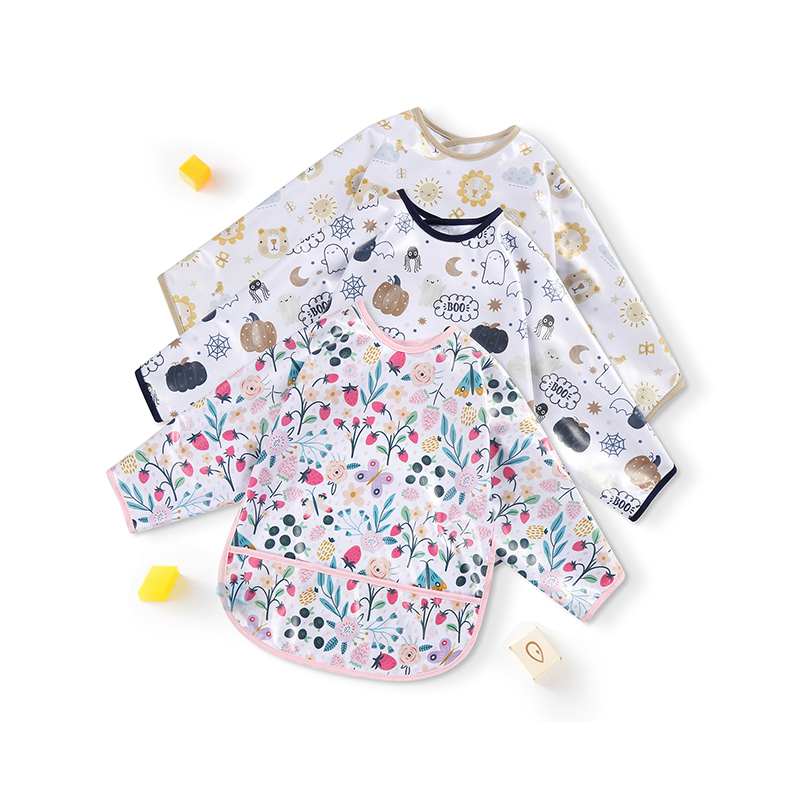
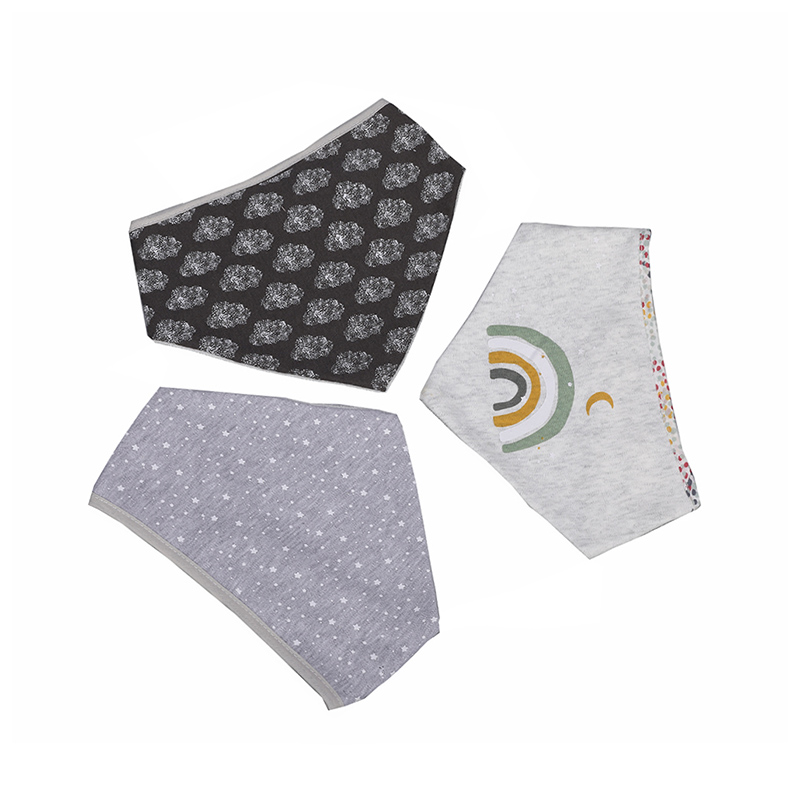
Patterns featuring animals, stars, clouds, and other playful graphics add visual variety to product collections. Custom prints can also help retailers develop recognizable private-label styles.
These variations allow Baby Sleeping Bags to serve different customer preferences without relying on a single standard appearance.
Manufacturing Processes Behind Sleeping Bags
The production of baby sleeping bags involves several textile manufacturing stages. Fabric is first selected and prepared according to the product design. Cutting patterns are then created based on the required size, shape, and construction details.
After cutting, individual fabric pieces are assembled through sewing. This stage may include attaching zippers, shoulder fasteners, labels, and decorative elements.
For padded models, filling material is positioned between fabric layers before the pieces are stitched together. The stitching pattern affects the appearance and structure of the finished product.
Printing and embroidery can be added according to the brand's design requirements. Manufacturers may also develop different packaging formats for retail display or online distribution.
For OEM and ODM projects, Baby Sleeping Bags can be customized through fabric selection, product dimensions, color combinations, printed patterns, zipper styles, and brand labeling.
Product Development Across the Baby Textile Market
Sleeping bags connect several aspects of baby textile product development, including fabric engineering, garment construction, seasonal styling, and brand customization. For manufacturers and international buyers, understanding these elements helps create product collections that match different market preferences.
From lightweight cotton designs to padded seasonal styles, Baby Sleeping Bags offer multiple possibilities for material combinations and visual differentiation. A clear product structure and flexible customization approach can also help B2B businesses build coordinated infant sleepwear collections.