English
 Français
 Español

Baby Swaddle Assembly Combines Cutting Sewing and Fastening
2026-11-06
A Baby Swaddle is a fabric wrap designed to hold an infant’s torso and arms in a secure yet comfortable position. The product helps limit sudden limb movements that can startle a sleeping baby. Factories produce these items in rectangular wraps, adjustable pouches, and sleeved styles. Overseas buyers request them for private-label lines, hospital supply programs, and retail collections aimed at new parents.
Fabric Choices and Their Feel
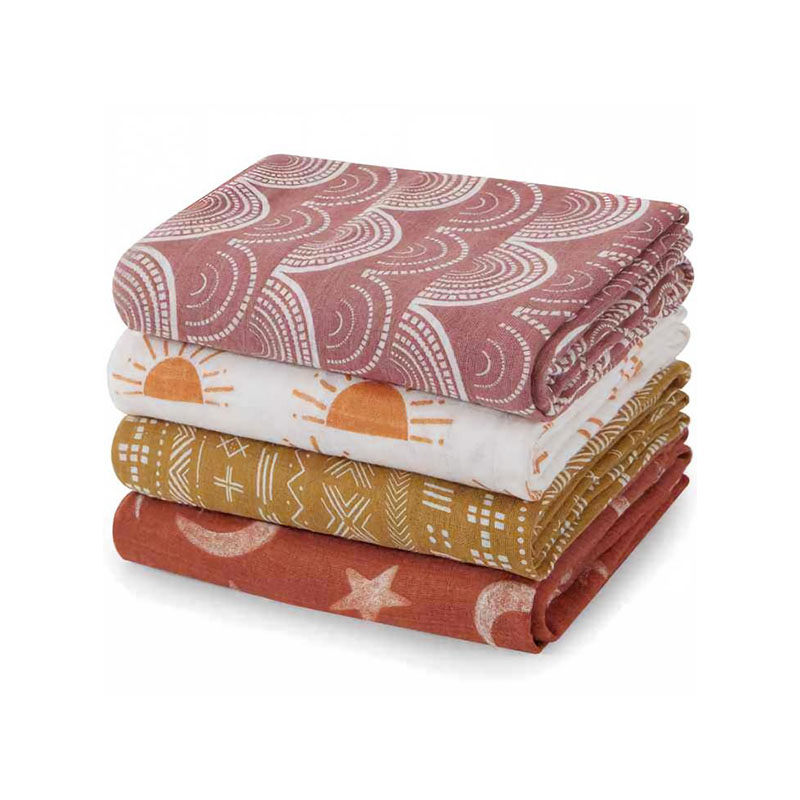
Cotton muslin remains a frequent selection because it is lightweight and breathable. The open weave allows air to pass while the fabric stays soft against skin. Jersey knits offer gentle stretch that conforms to the body without tight pressure. Some designs blend cotton with a small percentage of elastane for recovery after repeated wrapping. Flannel versions appear in cooler climates where a slightly thicker hand is preferred.
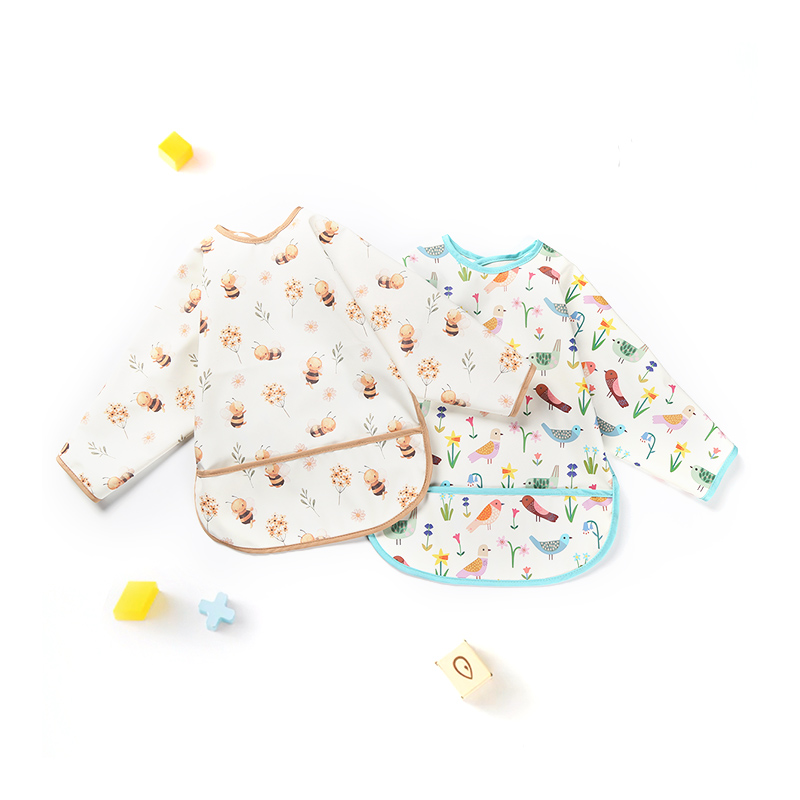
Fabric weight is kept moderate so the finished swaddle does not feel heavy. Surfaces are finished to reduce loose fibers. Color and print options range from solid pastels to simple geometric patterns that print cleanly on the chosen base cloth.
Structural Elements That Create the Wrap
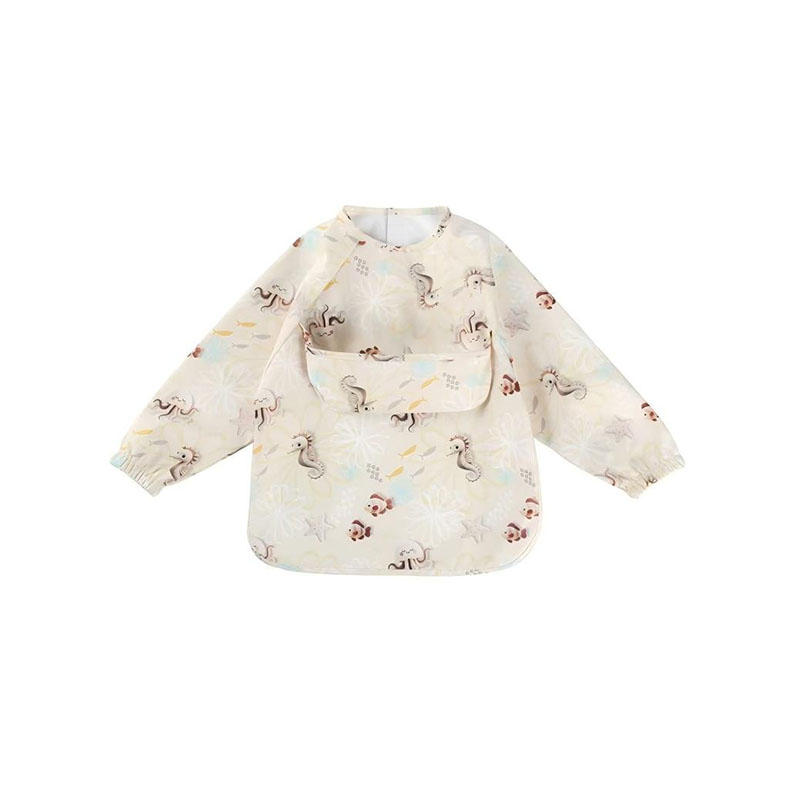
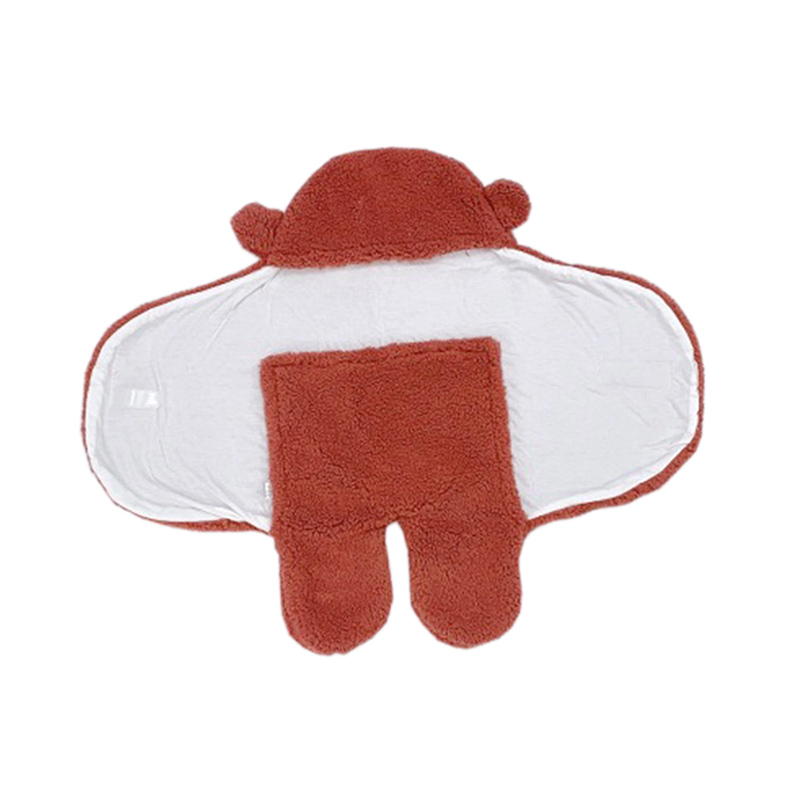
A classic rectangular Baby Swaddle starts as a single large panel with finished edges. The fabric is folded and tucked around the infant according to a standard wrapping sequence. Adjustable styles add side panels or wing sections that fold across the chest and fasten with soft hook-and-loop tape, snaps, or zippers. Sleeved versions incorporate short or long sleeves that keep arms inside the garment while the lower section wraps the torso.
Seams are placed away from high-contact zones whenever possible. Flatlock or soft-bound edges reduce the chance of irritation. The neck and shoulder openings are shaped to sit comfortably without sliding downward during use.
Sizing and Fit Considerations
Most lines offer several size grades that correspond to infant weight or length ranges. Smaller sizes suit newborns with limited mobility. Larger sizes accommodate growing babies who still benefit from a secure wrap during rest periods. Adjustable closures allow one size to cover a wider range by tightening or loosening the wing panels.
The goal is a snug torso fit that leaves the hips and legs free to move in a natural frog position. Designers avoid excess fabric that could bunch under the body. Pattern makers test prototypes on form models to confirm the wrap stays in place without constant readjustment.
Common Settings Where the Product Appears
In home nurseries a Baby Swaddle is used during daytime naps and nighttime sleep. Parents appreciate styles that open fully for diaper changes without complete unwrapping. Hospitals and birth centers often stock simple rectangular or pouch styles for the first days after delivery. Travel kits include compact versions that fold into a small pouch and take little luggage space.
Retail collections frequently group the swaddle with matching hats or blankets in coordinated fabrics. Private-label buyers specify custom prints or colorways that align with their brand palette while keeping the functional construction unchanged.
A Baby Swaddle continues to hold a steady place in infant care product lines because its simple structure meets a clear practical need. Attention to fabric hand, seam placement, closure type, and size grading allows a factory to supply consistent units suited to everyday use across home, clinical, and travel environments.